
Why Modern Food Halls Are Winning and Why National Media Are Paying Attention
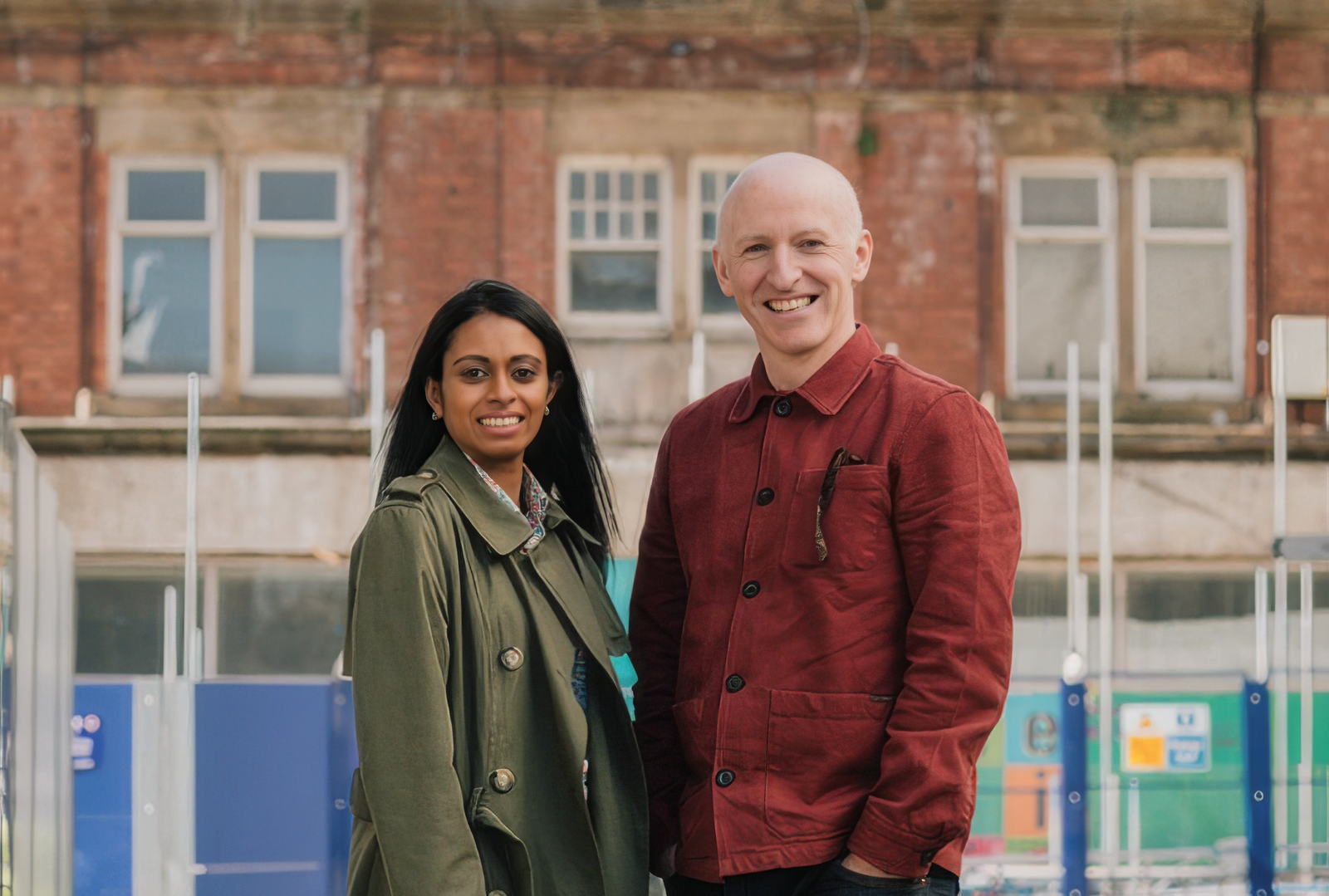
When The Times runs a feature on your founders (Matt and Nina), complete with Gordon Ramsay, a Sheffield food hall regeneration, and the kind of off-camera battering only Gordon can deliver, it’s more than a proud moment for us. It’s a sign of something bigger happening across the UK hospitality scene.
This piece is a brilliant read, charting the early chapters: a couple with an itch to build something of their own, a shoestring renovation, a surprise visit from Ramsay, and the off-camera advice that changed everything.
This article shows what our journey says about where modern food halls are heading. Modern food halls aren’t a trend – they’re a new infrastructure.
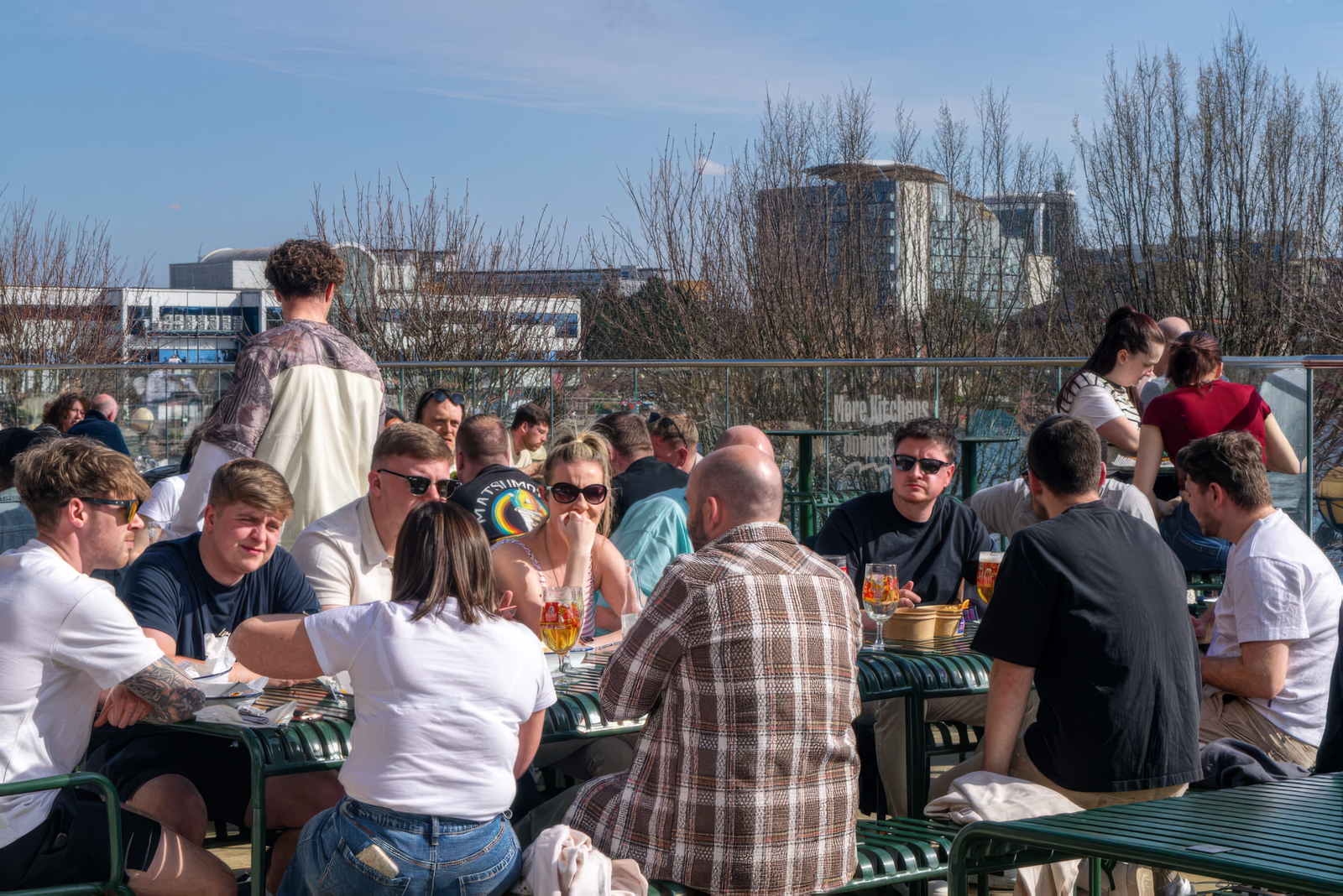
A decade ago, food halls were still a curiosity in the UK: part-market, part-restaurant, part-community space. Today, they are one of the most dynamic forces in hospitality, and not because they’re “cool”, but because they solve real-world problems.
They give independent chef entrepreneurs a platform without the financial cliff edge of a standalone site. They create social anchors in city centres that need footfall, energy, and a reason to return. They reflect how people actually eat now – casually, socially, flexibility, with choice built in.
This national coverage is about the rise of a model that’s reshaping how cities gather, eat, and connect.
The Gordon Ramsay moment: the spark that shaped everything after
The feature touches on it, but let’s linger on it for a second. Imagine: you’ve poured everything into your own gastropub (The Milestone). You’re exhausted. You’re proud. And then Gordon Ramsay walks in, rolls up his sleeves, and verbally fillets you on national television.
On camera, it stung. Off camera, it stuck. His advice was simple and brutal: “Give people a reason to walk through the door.” That line became a philosophy.
It’s why their first food hall, Cutlery Works, was built around independent talent. It’s why families, dogs, students, office workers and guests all feel welcome. It’s why every site, from the North to the South, is designed to feel alive, not curated.
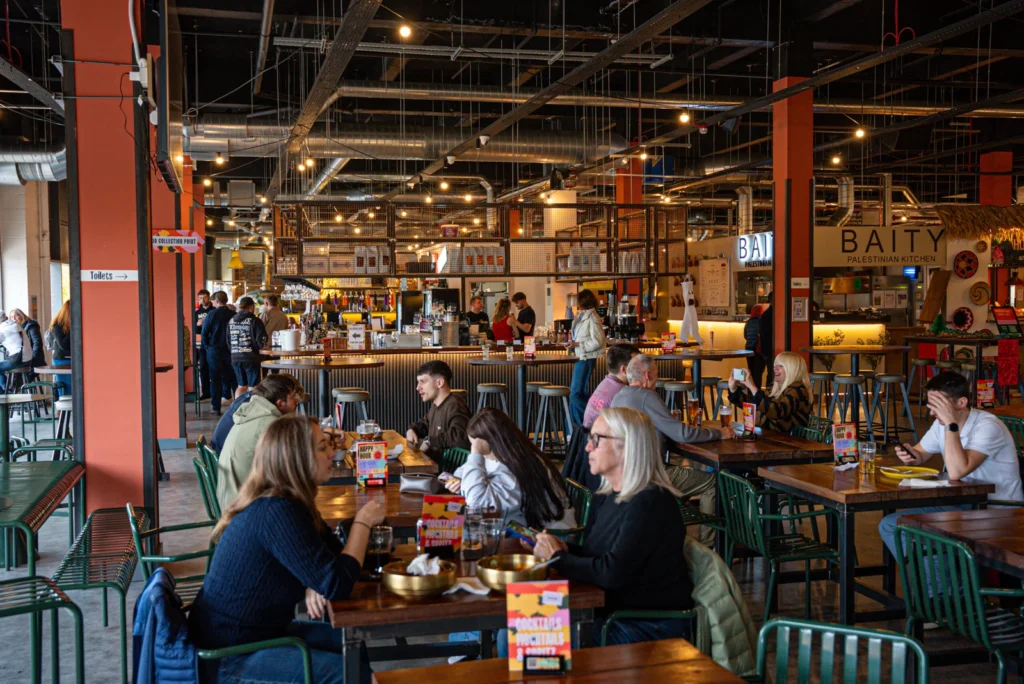
Modern food halls work because they’re built on that same principle:
Make it worth showing up. And honestly? If Ramsay ever walks into one of our food halls now, we’d quite enjoy the rematch. From one Sheffield Gastro Pub to 97 independents: what growth looks like now The Times captures the scale of the ecosystem that’s grown from the launches of our food halls:
Why national media are paying attention now:
Food halls have become:
• Economic engines for independent entrepreneurs
• Cultural hubs for cities
• Flexible spaces that adapt to how people live
• Proof that hospitality can be both creative and commercially resilient.
Matt and Nina’s journey, from a gastropub to a multi-site food hall operator, mirrors the rise of the sector as a whole. It’s the story of modern hospitality reinventing itself, one kitchen at a time.
Looking ahead
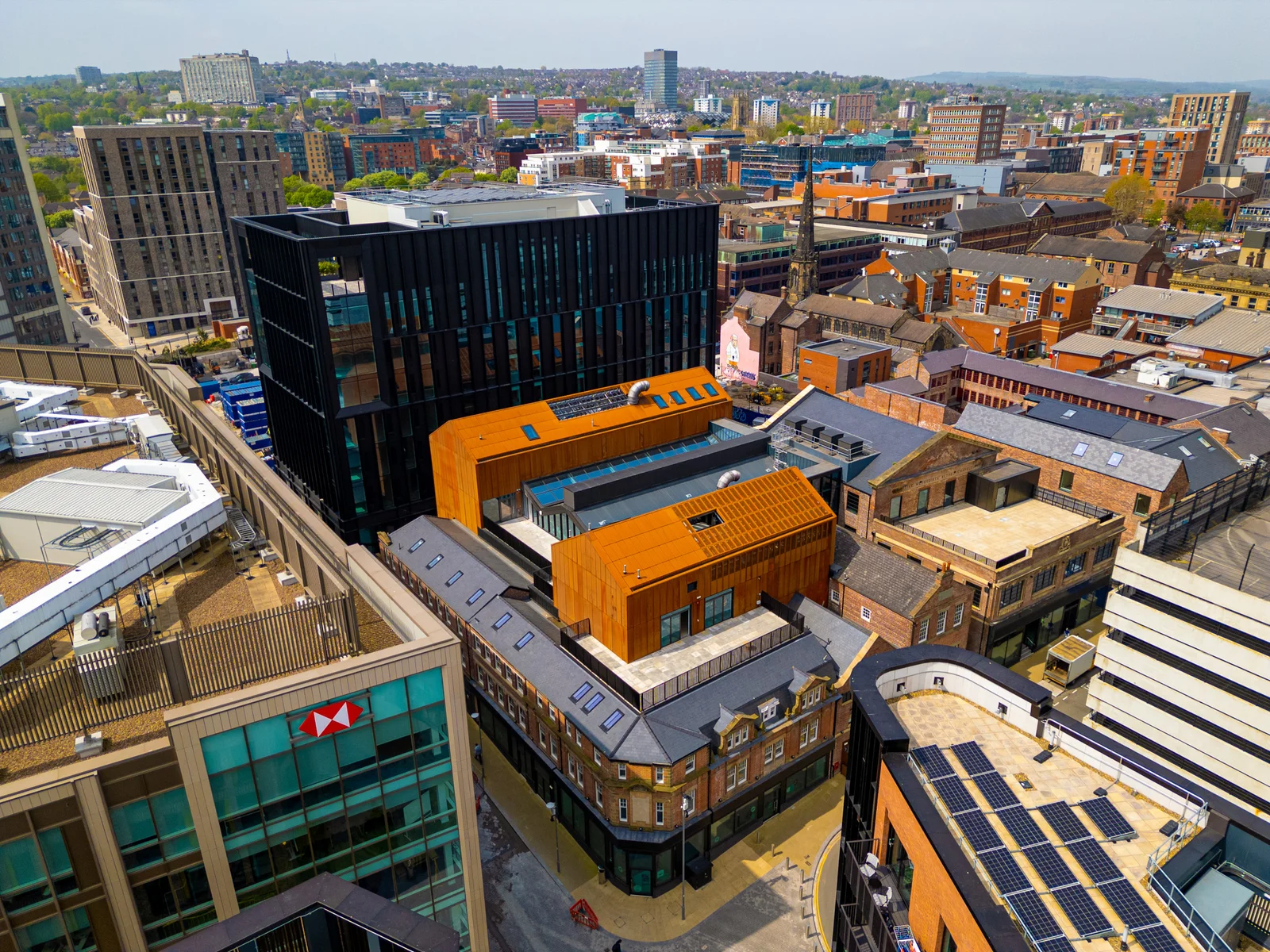
If the early years were about grit, risk and reinvention, the next chapter is about scale, community, and impact. More independents. More cities. More spaces that feel open, welcoming, and alive.
And if Gordon Ramsay ever walks through the door again, we’ll be ready. Ideally, with a plate of something he can’t shout at.